চিকিৎসা নির্ণয়ের ক্ষেত্রে, ডেটার নির্ভুলতা, সময়োপযোগীতা এবং নির্ভরযোগ্যতা রোগীর ফলাফল এবং জনস্বাস্থ্য সুরক্ষার জন্য অত্যন্ত গুরুত্বপূর্ণ। লাইম রোগের মতো জটিল অবস্থার জন্য – যার শুরুটা সূক্ষ্ম এবং উপসর্গগুলি বহুবিধ – প্রচলিত রোগ নির্ণয় পদ্ধতি প্রায়শই অপর্যাপ্ত। আণবিক রোগ নির্ণয়ের উত্থান, বিশেষ করে পলিমারেজ চেইন রিঅ্যাকশন (PCR) প্রযুক্তি, এই রোগ নির্ণয়ের চ্যালেঞ্জে অভূতপূর্ব স্বচ্ছতা এনেছে।
লাইম রোগের রোগ নির্ণয়ের চ্যালেঞ্জ
লাইম রোগ, যা
বোরেলিয়া বার্গডোরফেরি সেন্সু লেটো
নামক ব্যাকটেরিয়ার জটিল গোষ্ঠীর কারণে হয় এবং যা এঁটেল পোকার কামড়ের মাধ্যমে ছড়ায়, তার বিভিন্ন ক্লিনিকাল প্রকাশ এবং প্রায়শই রোগ-নির্দিষ্ট উপসর্গের অনুপস্থিতির কারণে উল্লেখযোগ্য রোগ নির্ণয়ের জটিলতা সৃষ্টি করে। প্রচলিত সেরোলজিক্যাল পরীক্ষাগুলি, অ্যান্টিবডি সনাক্তকরণের জন্য দরকারী হলেও, সংক্রমণের প্রাথমিক পর্যায়ে সংবেদনশীলতার ক্ষেত্রে সীমাবদ্ধতা দেখায় এবং স্বতন্ত্র প্রতিরোধ ব্যবস্থার মধ্যে ভিন্নতা প্রদর্শন করে।
রোগ নির্ণয়ে বিলম্বের গুরুতর পরিণতি হতে পারে, কারণ অপরিশোধিত
বোরেলিয়া
সংক্রমণ জয়েন্ট, হৃদপিণ্ডের টিস্যু এবং স্নায়ুতন্ত্রে ছড়িয়ে পড়তে পারে, যা দীর্ঘস্থায়ী আর্থ্রাইটিস, হৃদপিণ্ডের সঞ্চালন অস্বাভাবিকতা এবং স্নায়বিক জটিলতা যেমন মুখের পক্ষাঘাত, মেনিনজাইটিস এবং রেডিকুলাইটিস সৃষ্টি করতে পারে।
আণবিক সনাক্তকরণের প্রযুক্তিগত শ্রেষ্ঠত্ব
GeneProof™ Borrelia PCR Kit সরাসরি প্যাথোজেন সনাক্তকরণে একটি উল্লেখযোগ্য অগ্রগতি, যা প্রচলিত পদ্ধতির তুলনায় বেশ কয়েকটি মূল সুবিধা প্রদান করে:
উন্নত সংবেদনশীলতা
একাধিক-কপি 16S rRNA জিনের সিকোয়েন্সকে লক্ষ্য করে ন্যূনতম ব্যাকটেরিয়ার লোড সনাক্ত করা সম্ভব হয়, যা বৈধতা গবেষণায় ১০০% রোগ নির্ণয়ের সংবেদনশীলতা অর্জন করে। এটি প্রাথমিক পর্যায়ের সংক্রমণের জন্য বিশেষভাবে মূল্যবান প্রমাণিত হয় যখন অ্যান্টিবডি উৎপাদন সেরোলজিক্যাল সনাক্তকরণের জন্য অপর্যাপ্ত থাকে।
ব্যাপক প্যাথোজেন কভারেজ
এই পরীক্ষাটি ১৫টি
বোরেলিয়া বার্গডোরফেরি সেন্সু লেটো
উপপ্রজাতির জন্য প্যান-স্পেসিস সনাক্তকরণ ক্ষমতা প্রদর্শন করে এবং একই সাথে
বোরেলিয়া মিয়ামোটোই
সংক্রমণকে আলাদা করে – এটি একটি গুরুত্বপূর্ণ পার্থক্য কারণ চিকিৎসার প্রভাব ভিন্ন হতে পারে।
কার্যকারিতা
ব্যবহারের জন্য প্রস্তুত মাস্টার মিক্স ফর্মুলেশন পরীক্ষাগারের কর্মপ্রবাহকে সহজ করে তোলে, হাতে-কলমে সময় কমায় এবং অপারেটরের ত্রুটির সম্ভাবনা হ্রাস করে। সমন্বিত ইউরাসিল-ডিএনএ গ্লাইকোসিলেজ (UNG) দূষণ নিয়ন্ত্রণ ফলাফলের নির্ভরযোগ্যতা আরও বাড়ায়।
ক্লিনিকাল এবং জনস্বাস্থ্য অ্যাপ্লিকেশন
-
প্রাথমিক রোগ নির্ণয়:
তীব্র সংক্রমণের ক্ষেত্রে সেরোকনভার্সনের আগে সনাক্তকরণ সক্ষম করে
-
পার্থক্যমূলক রোগ নির্ণয়:
ক্লিনিক্যালি অনুরূপ অবস্থা থেকে লাইম রোগকে আলাদা করে
-
চিকিৎসা পর্যবেক্ষণ:
অ্যান্টিবায়োটিক থেরাপির সময় প্যাথোজেন ডিএনএ ক্লিয়ারেন্স ট্র্যাক করে
-
ভেক্টর নজরদারি:
সংক্রমণের প্রকোপের জন্য এঁটেল পোকার জনসংখ্যা পরীক্ষা সহজতর করে
গুণমান নিশ্চয়তা এবং নিয়ন্ত্রক অবস্থা
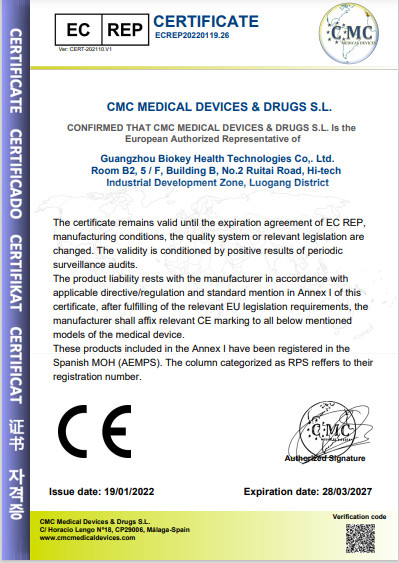
CE IVD সার্টিফিকেশন ইউরোপীয় ডায়াগনস্টিক ডিভাইস বিধিগুলির সাথে সম্মতি নিশ্চিত করে। বাহ্যিক গুণমান মূল্যায়ন (EQA) ফলাফল একাধিক বৈধতা গবেষণায় ধারাবাহিক কর্মক্ষমতা প্রদর্শন করে, পেশাদার পর্যালোচনার জন্য ডকুমেন্টেশন উপলব্ধ রয়েছে।
আণবিক রোগ নির্ণয়ের ভবিষ্যৎ দিকনির্দেশনা
উদীয়মান অ্যাপ্লিকেশনগুলির মধ্যে এঁটেল-বাহিত প্যাথোজেনগুলির যুগপৎ সনাক্তকরণের জন্য মাল্টিপ্লেক্স প্যানেল, মহামারী সংক্রান্ত মডেলিংয়ের জন্য ডিজিটাল স্বাস্থ্য প্ল্যাটফর্মের সাথে একীকরণ এবং অ্যান্টিমাইক্রোবিয়াল প্রতিরোধের নজরদারির জন্য পরবর্তী প্রজন্মের সিকোয়েন্সিংয়ের সাথে সম্ভাব্য সংযোগ অন্তর্ভুক্ত থাকতে পারে।
আণবিক রোগ নির্ণয়ের দিকে পরিবর্তন লাইম রোগের ব্যবস্থাপনায় একটি দৃষ্টান্ত পরিবর্তনকে প্রতিনিধিত্ব করে, যা স্বাস্থ্যসেবা প্রদানকারীদের উন্নত রোগ নির্ণয়ের নিশ্চয়তা প্রদান করে এবং একই সাথে রোগ নির্ণয়ের অনিশ্চয়তা এবং বিলম্বিত চিকিৎসার সাথে যুক্ত ক্লিনিকাল এবং অর্থনৈতিক বোঝা হ্রাস করে।


 আপনার বার্তাটি 20-3,000 টির মধ্যে হতে হবে!
 Bengali